Boring businesses: why they make so many millionaires
Candy, email newsletters, underwear. The least exciting businesses often make the most reliable money, as three real cases show.
Updated 5 min read
Boring businesses make millionaires because they sell things people buy every year, face less competition, and can raise prices without losing customers. Their owners don't need a breakthrough. They need a steady product, good margins, and the patience to let profit pile up for a decade or more.
Why do boring businesses make millionaires?
Exciting markets attract crowds. Crowds of smart, well-funded rivals push prices down. Boring markets don't get that attention, so a good operator can earn healthy profits for years.
Most great boring businesses share four traits:
- Repeat demand. People buy again every week, month or holiday.
- Pricing power. Customers stay even when prices rise a little, because they trust the brand.
- Low capital needs. Growth doesn't need a new factory every year.
- Few ambitious rivals. Nobody is raising $100 million to disrupt laundromats.
What does a great boring business look like?
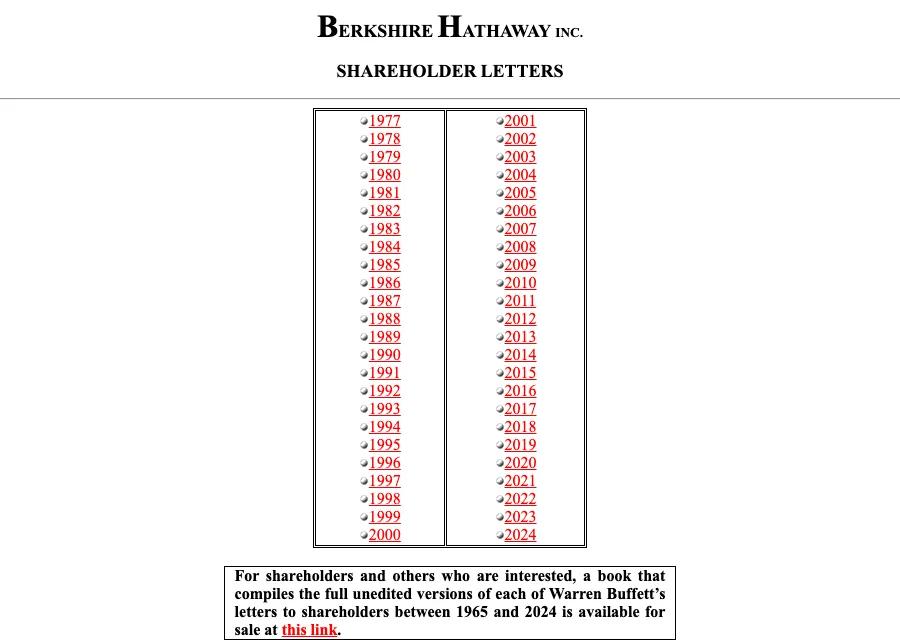
Warren Buffett's favorite example is a chocolate shop. In his 2007 letter to Berkshire Hathaway shareholders, he wrote:
“We bought See's for $25 million when its sales were $30 million and pre-tax earnings were less than $5 million.” Warren Buffett, 2007 shareholder letter
The same letter reports that See's sold 16 million pounds of candy a year in 1972 and 31 million pounds in 2007. That's growth of only about 2% a year. Yet pre-tax earnings since 1972 had totaled $1.35 billion, and the business needed only $32 million of extra capital to get there.
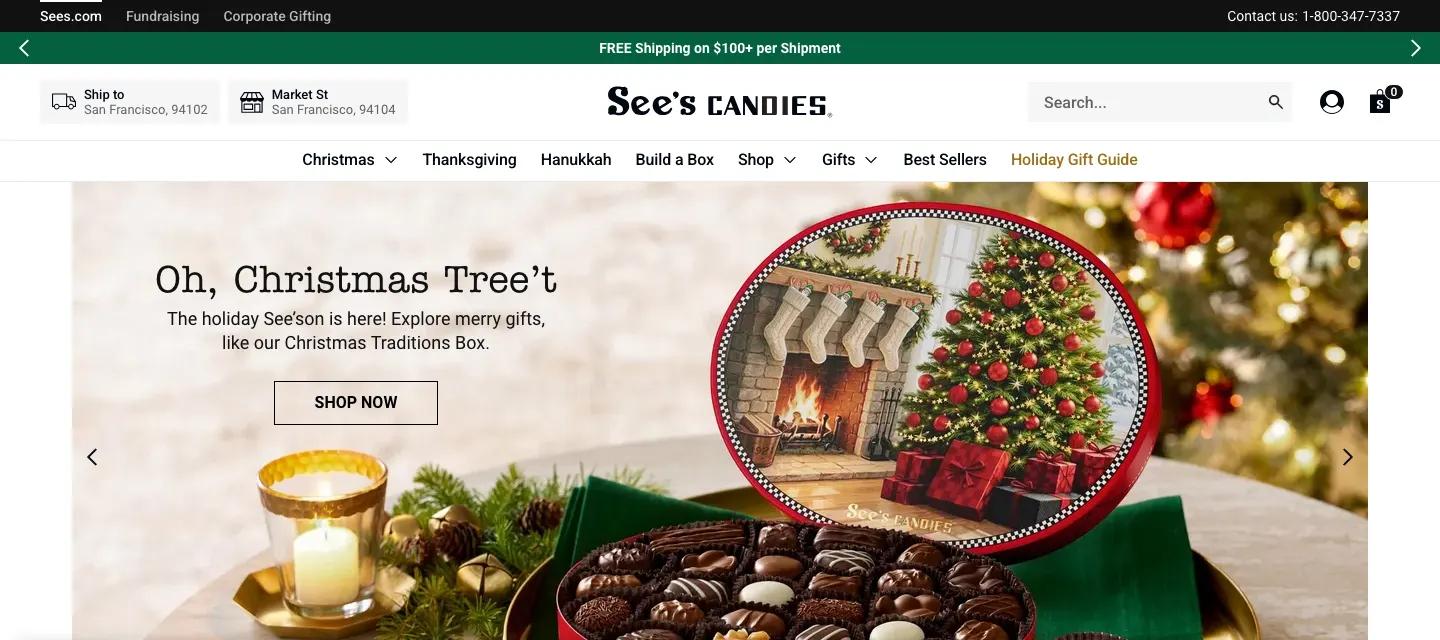
Why did it work? Buffett points to two things: customers paid cash up front, and the short production cycle kept inventory low. So almost all the profit could leave the business and be used elsewhere. That's the dream of every owner.
Can a boring software business get big?
Email marketing is about as unglamorous as software gets. Mailchimp was founded by Ben Chestnut and Dan Kurzius in 2001. It grew for two decades without venture capital. In 2021, Intuit agreed to buy it in a deal valued at about $12 billion.

Small businesses send newsletters every month, so the revenue repeats. The software barely changes per customer, so the code leverage is high. Boring problem, exciting margins.
Do boring physical products still work?
Sara Blakely started Spanx in 2000 with $5,000 of her savings, after years of selling fax machines door to door. The product was shapewear, a category most people never think about. In 2012, Forbes named her the youngest self-made female billionaire.
Two lessons sit inside that story. First, years in sales trained her to pitch buyers herself. Second, a plain everyday product meant repeat buyers who already understood what they were getting.
How do you find a boring business opportunity?
Run any idea through this checklist before you get attached.
| Signal | Good sign | Warning sign |
|---|---|---|
| Repeat purchase | Customers buy monthly or yearly | One purchase per lifetime |
| Pricing power | You can raise prices 5% and keep buyers | Buyers switch for a dollar less |
| Capital needs | Growth funded from profit | Every new sale needs new equipment |
| Competition | Rivals are small, local or dated | Rivals just raised big rounds |
| Cash timing | Customers pay up front | You wait 90 days to get paid |
You can start one from scratch or buy one that already runs. Both are ownership, which is the third equation in the math of a million dollars. Buying costs more up front but skips the hardest part: proving customers want it.
What are the risks of boring businesses?
- Slow growth. See's grew volume about 2% a year. If you need fast growth, this isn't the path.
- Owner dependence. Many small firms run on the owner's relationships. If that's you, you own a job, not a business.
- Hidden decline. Some boring industries are boring because they're shrinking. Check that demand is steady or growing.
Use it this week
- List five things you or your family pay for every month without thinking.
- For each, find three local or online sellers. Note which ones look dated or poorly run.
- Score your best idea against the checklist table above.
- Read Buffett's 2007 letter, the See's section. It takes ten minutes.
Get the next essay in your inbox
One essay on building wealth through ownership and leverage, plus one thing to try that week. Free.
Frequently asked questions
What are examples of boring businesses that make money?
Candy shops like See's, email software like Mailchimp, shapewear like Spanx, plus trades, cleaning, storage, payroll and bookkeeping services. The common thread is repeat demand and few well-funded rivals.
Is it better to buy or start a boring business?
Buying costs more but comes with customers and cash flow from day one. Starting costs less but you have to prove demand yourself. Many first-time owners start small to learn before buying.
Are boring businesses recession-proof?
No business is recession-proof. Businesses that sell everyday needs tend to hold up better than luxury or one-time purchases, but sales can still fall in a downturn.
Sources
- Warren Buffett, 2007 letter to Berkshire Hathaway shareholders
- Mailchimp (Wikipedia)
- Sara Blakely (Wikipedia)
This essay is general education, not financial, legal or tax advice. Examples describe public, documented stories and are not promises of any result.